

Ontario’s Ministry of the Environment, Conservation and Parks (MECP) has identified emissions from Birla Carbon as a significant cause of the soot that descended on Hamilton neighborhoods last month.
Residents and local officials in Hamilton have raised concerns about the recurring issue of black dust settling over neighborhoods, especially near the eastern industrial area. The recent heavy soot fall in early July affected areas not typically impacted, prompting residents to urge elected leaders to address the problem.
Following numerous complaints from residents about the sooty fallout coating homes, pets, and children, the ministry has initiated a formal investigation into Birla Carbon for potential violations of environmental laws.
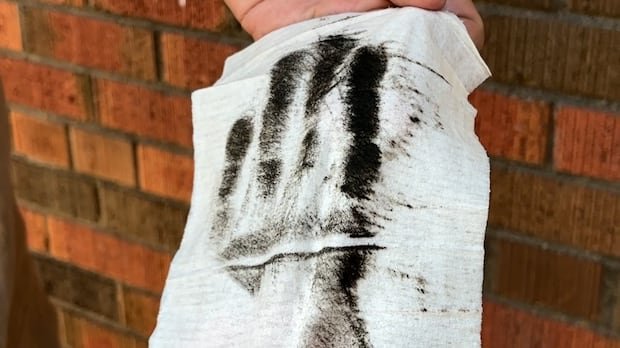
Residents in and around Hamilton’s east end express concerns over the presence of black soot on their properties. While soot has been a known issue in the area, Ward 4 councilor Tammy Hwang notes a significant impact on residents further from the industrial zone.
Birla Carbon cooperates with government investigations
Birla Carbon has stated its full cooperation with the Ministry’s investigation process.
When asked about the potential causes and substances emitted, company spokesperson Roysten Dmello refrained from specific responses, mentioning the lack of communication or reports from the Ministry regarding their findings.
Birla Carbon’s sole factory in Canada, situated on Parkdale Avenue N., specializes in carbon black production and operates in 14 countries. Carbon black is a fine black powder utilized in various manufacturing processes, including rubber and plastic production.
The Ministry has shared its analysis and sampling outcomes with Hamilton Public Health, with plans to enforce preventive measures on Birla Carbon to avert similar incidents in the future.
Public health experts are reviewing the Ministry’s findings and seeking advice from toxicology specialists to evaluate potential health risks identified during the assessment, as stated by Dr. Bart Harvey, Hamilton’s associate medical officer of health.
Health concerns related to carbon black emissions
Although specifics regarding the July emissions from Birla Carbon have not been disclosed, a proposed government standard for the carbon black industry highlights concerns about sulphur dioxide emissions, particularly from facilities in Sarnia and Hamilton.
The standard emphasizes that short-term exposure to sulphur dioxide can lead to respiratory issues, heart complications, and potentially severe health consequences.
Sulphur dioxide emissions are associated with adverse health effects, particularly on the respiratory and cardiovascular systems,