

During a press event in May, former Telus CEO Darren Entwistle made an eye-catching forecast regarding two new AI data centres set for Vancouver.
With a smile, he proclaimed, “They’re going to be sexy as hell,” while announcing a collaboration with developer Westbank Corp.
However, the relationship soon proved to be short-lived.
This week, the telecommunications giant announced it would be withdrawing from both initiatives.
“Telus has opted not to continue with the co-development of the two previously mentioned Vancouver data centres alongside Westbank,” a company representative stated, further noting that the focus would shift to enhancing an existing data centre in Kamloops, B.C.
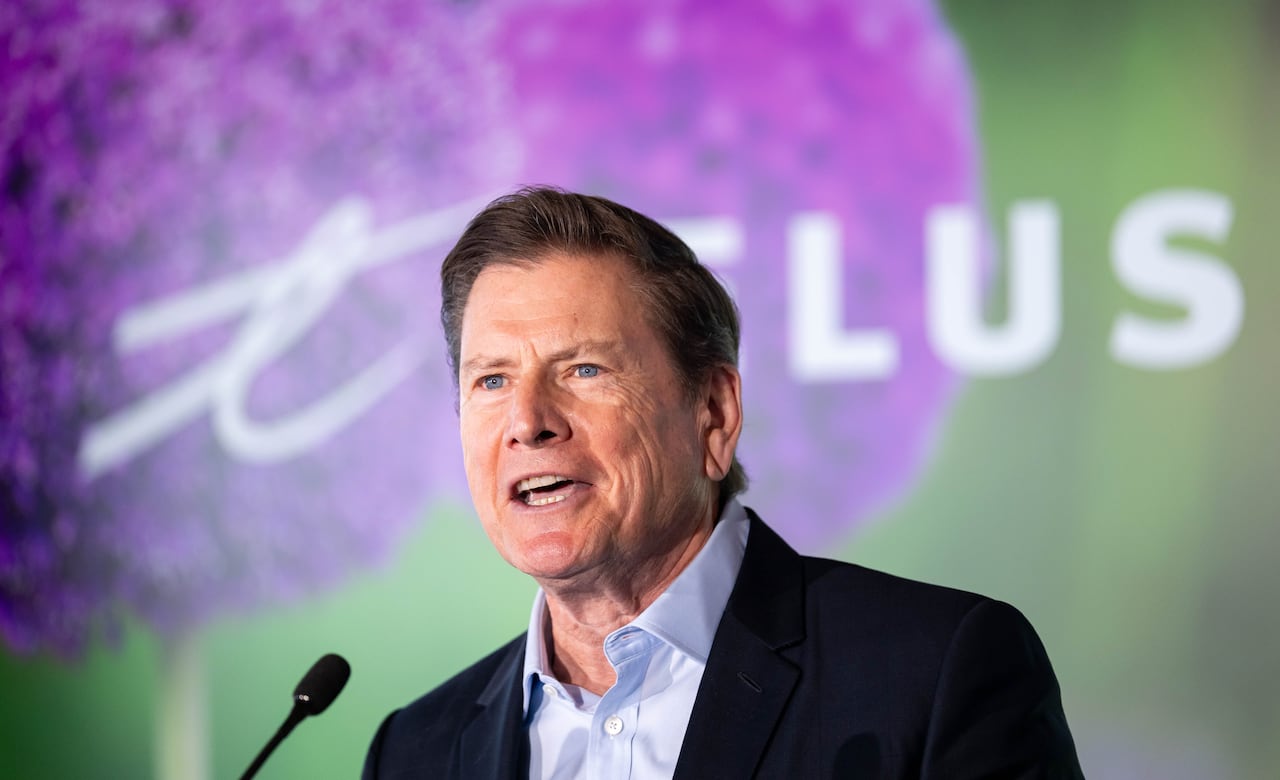
Darren Entwistle, former CEO of TELUS, spoke in Vancouver in May, expressing that the new AI data centres would be ‘sexy as hell.’ (Ethan Cairns/CBC)
Westbank seems to be moving on without hesitation.
In a statement, a representative confirmed that they have already secured a new partner.
“We are continuing with the projects as originally planned, with a new partnership that will be disclosed in the upcoming months,” the company announced.
The first of the two facilities, an office building that previously hosted the Hootsuite headquarters in the Mount Pleasant area, was expected to be operational by the year’s end.
A second site on West Georgia Street in the downtown region was scheduled for completion in 2029.
Telus has not provided a reason for its withdrawal, leaving ample room for speculation.
“I suspect that Telus is worried about its reputation,” remarked Vancouver Councillor Lucy Maloney.
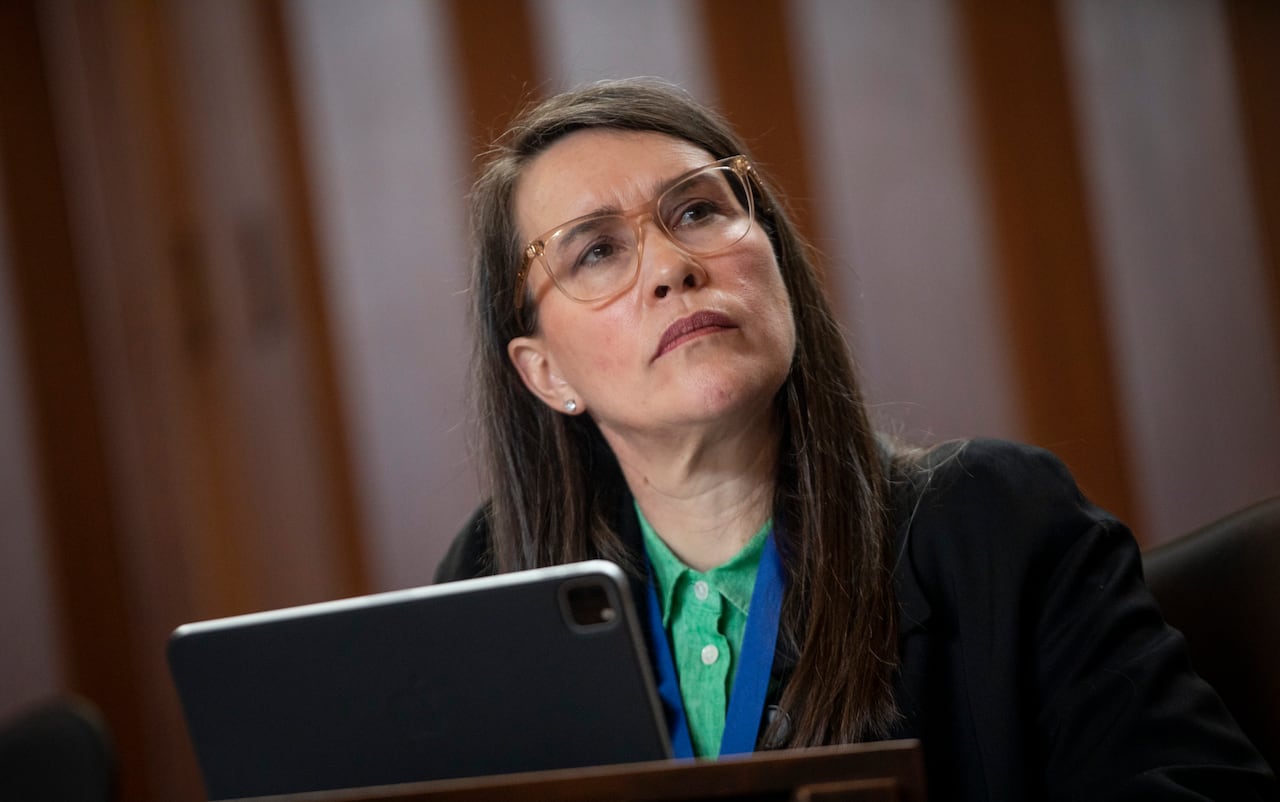
Councillor Lucy Maloney of Vancouver believes Telus is focused on its public image. (Ben Nelms/CBC)
“I’m sure they are evaluating the return on investment versus the complications of addressing public concerns regarding AI,” she added.
The newly elected council in Vancouver is scheduled to review and discuss a motion from Maloney aimed at tightening the approval processes for AI data centres during an upcoming meeting.
“I am simply requesting that staff assist in recommending a suitable and thorough regulatory framework to provide us with the necessary information to evaluate rezoning applications for AI data centres,” she stated.
“We recognize that AI data centres can have disproportionately significant impacts compared to other industrial and commercial endeavors.”
The motion did not gain traction when presented to the prior council, but Maloney is optimistic that the newly elected members from October will be more receptive.
“I am hopeful for greater success,” she expressed.
“It’s widely acknowledged that Silicon Valley’s motto is to move quickly and disrupt; however, that mindset is certainly not suitable for any governmental regulator or governing authority.”
‘A lot of uncertainty’
The grassroots protest organization No AI Vancouver has been instrumental in rallying opposition to the data centres, contending that they are insufficiently regulated and being expedited without adequate community engagement.
The group organized multiple protest events throughout the city in 2026, with some drawing hundreds of demonstrators.
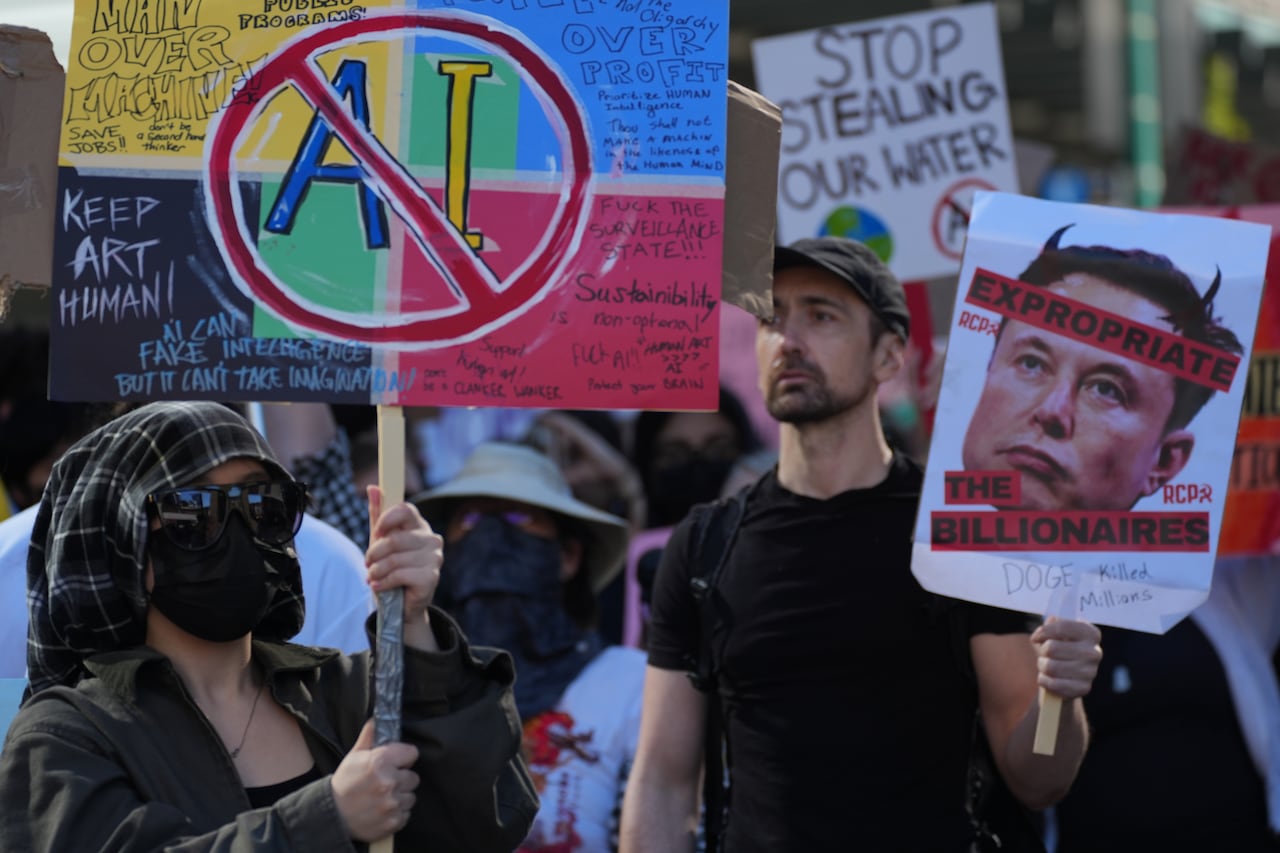
Hundreds have demonstrated in Vancouver this year against proposed AI data centres. (Avery Woods/CBC)
Organizer Guerric Haché also believes that public opposition is affecting the decisions of companies like Telus.
“There were numerous protests in the streets, people wrote letters, and stickers appeared all over the city,” he noted.
“There is significant resistance against AI, and that seems to be growing. There are also rising concerns about the stability of the market—whether it is a bubble or if it might collapse. There’s a lot of uncertainty.”
This uncertainty also applies to Telus itself.
Quebecor, based in Montreal, has made a $31-billion acquisition proposal, which would create a company with a market capitalization exceeding that of competitors Rogers and Bell.
Telus has stated it is assessing the proposal, which will also be examined by the Competition Bureau and the Canadian Radio-television and Telecommunications Commission.